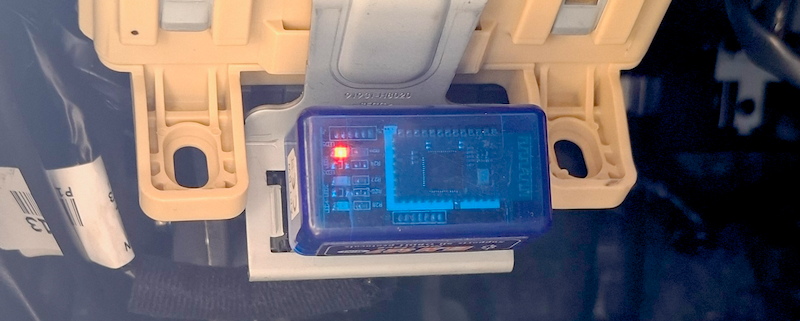
Modern cars are full of sensors monitoring everything from exhaust gas composition to intake air pressure. When something goes wrong, the engine management system logs a fault code and lights the check engine warning. Now, if only cars had screens that could display what exactly is wrong…
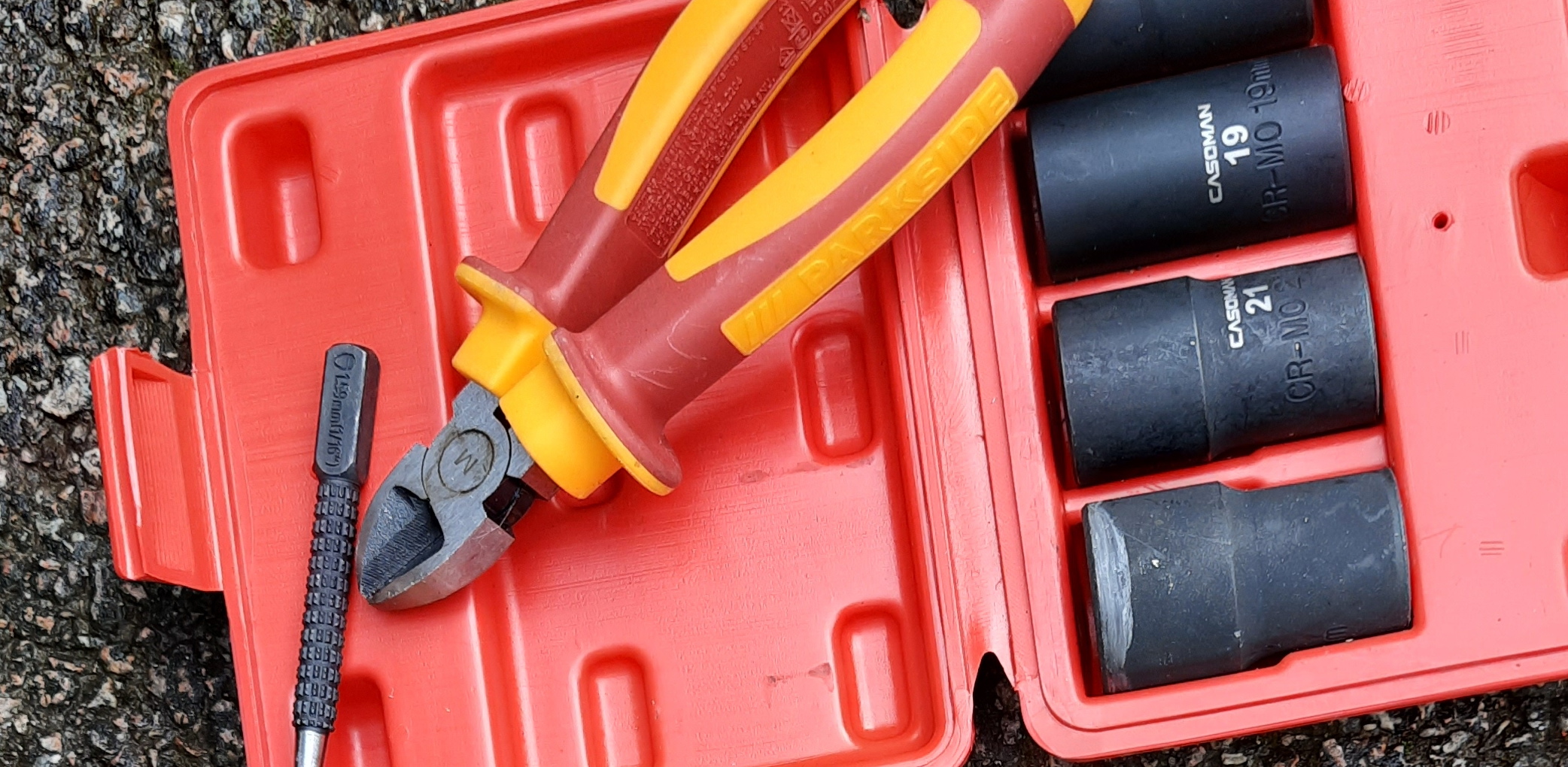
Locking wheel nuts exist to stop opportunists nicking your wheels, and when you lose the key, they do their job a little too well. A few years ago when I moved to the UK, I bought a very old Honda Civic with the intention of replacing it soon (I expected to get a lot of scratches before getting used to driving on the wrong side of the road), but really liked the car and kept it for long. One day came a time to replace tyres. I brought the car to the tyre service and confidently told them the key is in the glovebox. I saw it just a few days before when I cleaned the interior. Except it wasn’t there now.
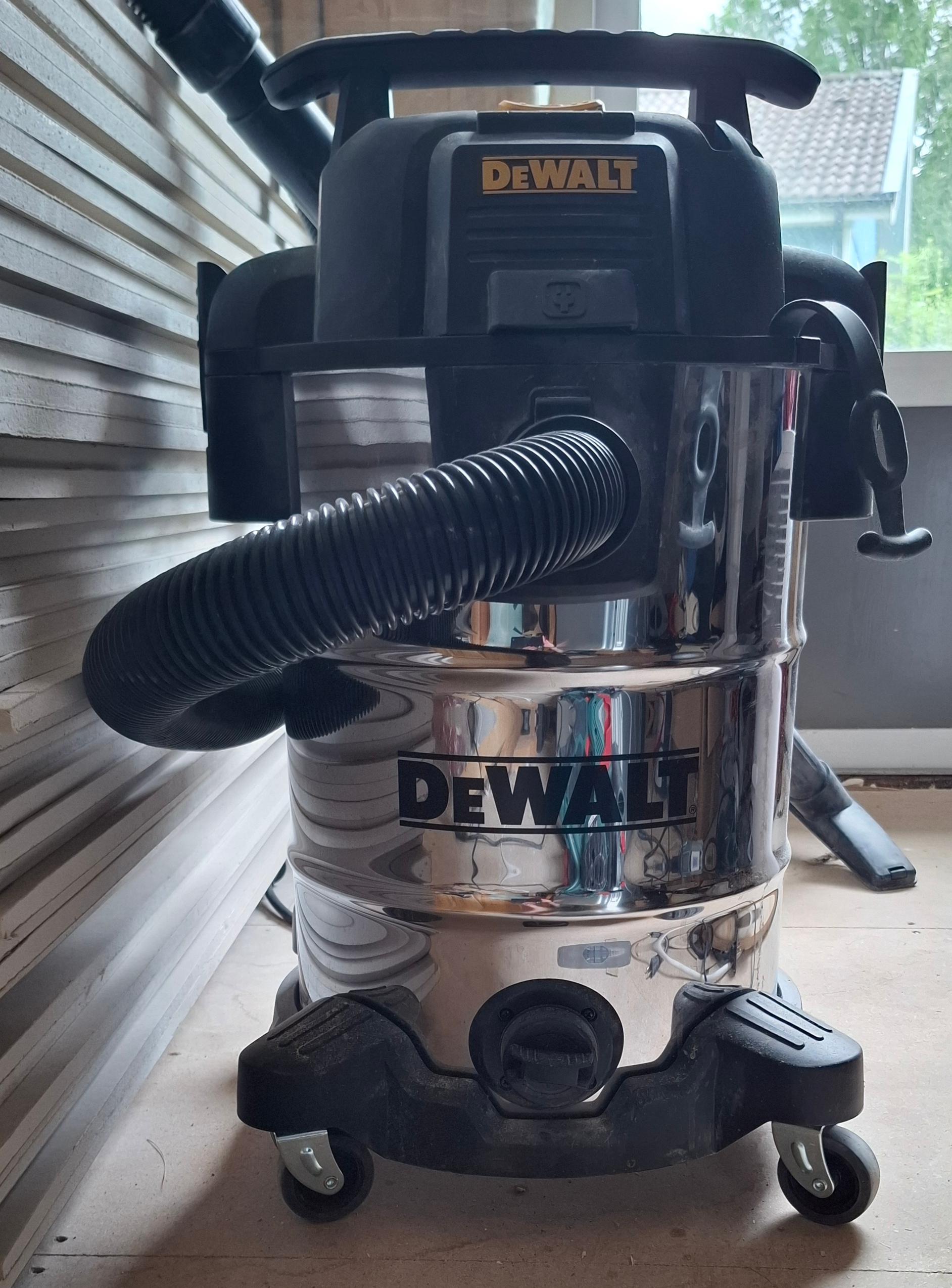
I’m on my third workshop vacuum now. The first one was Parkside, an old model from about 15 years ago. It never cleaned properly, I don’t even remember if it broke or I got rid of it because it was useless. Next one was a small Karcher. It worked great for years, but I only did occasional DIY projects. When I started the large renovation, I killed it in a week. It’s now on a shelf, until I decide if I want to replace the motor unit or bin it.
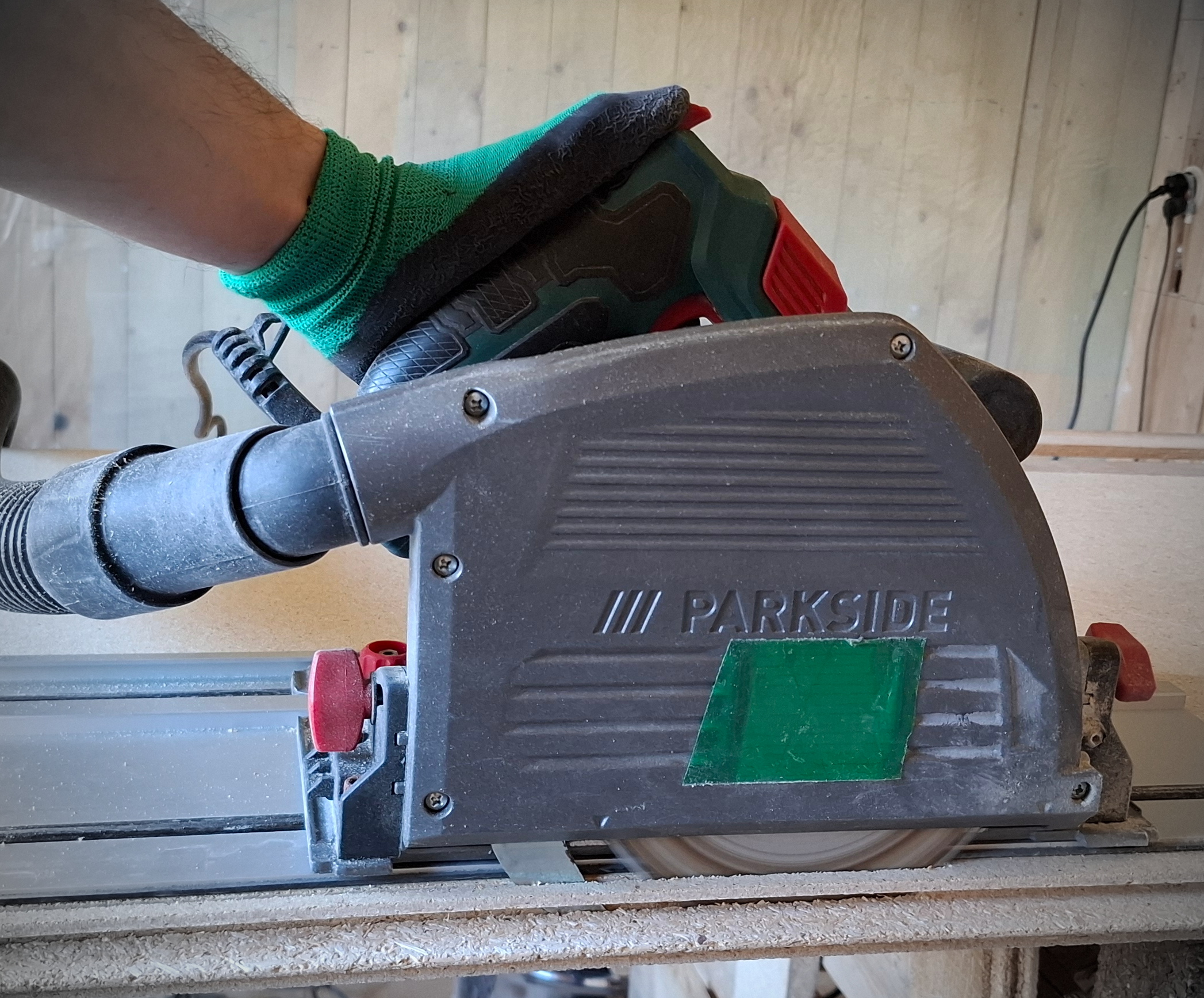
Every DIYer eventually has to move from a handsaw to an electric saw. Which type to choose? Handheld circular saws look intimidating (though they’re safer than they seem) and making an accurate cut takes practice. Jigsaws are a common choice (the one I actually made years ago - my saw broke quickly and I never felt a need to replace it). Table saws look dangerous and they really are. Mitre saws are great for some tasks and useless for others.
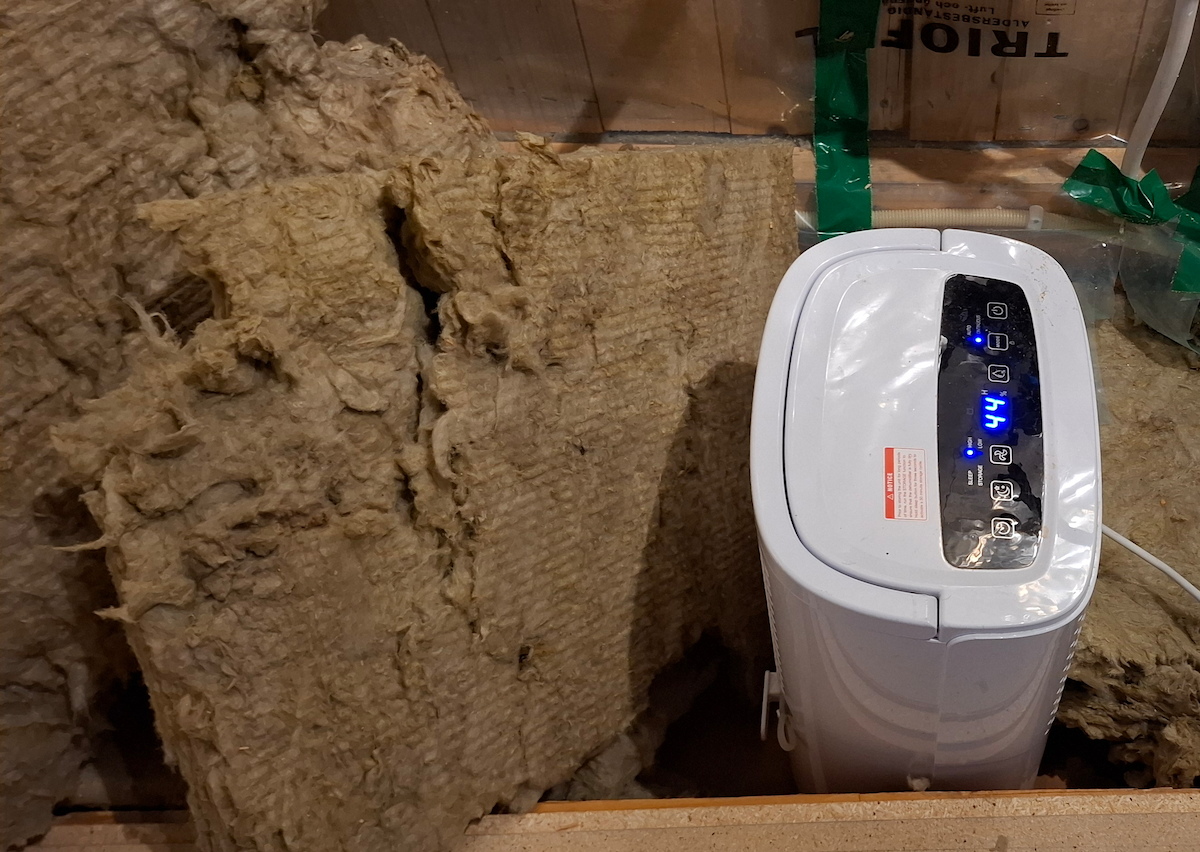
The dishwasher incident I wrote about recently - two litres of water into the mineral wool, a home dehumidifier, sorted in a day - was, in the grand scheme of water-related home disasters, a rounding error. It did remind me of something considerably less manageable. A different house, about fifteen years ago.
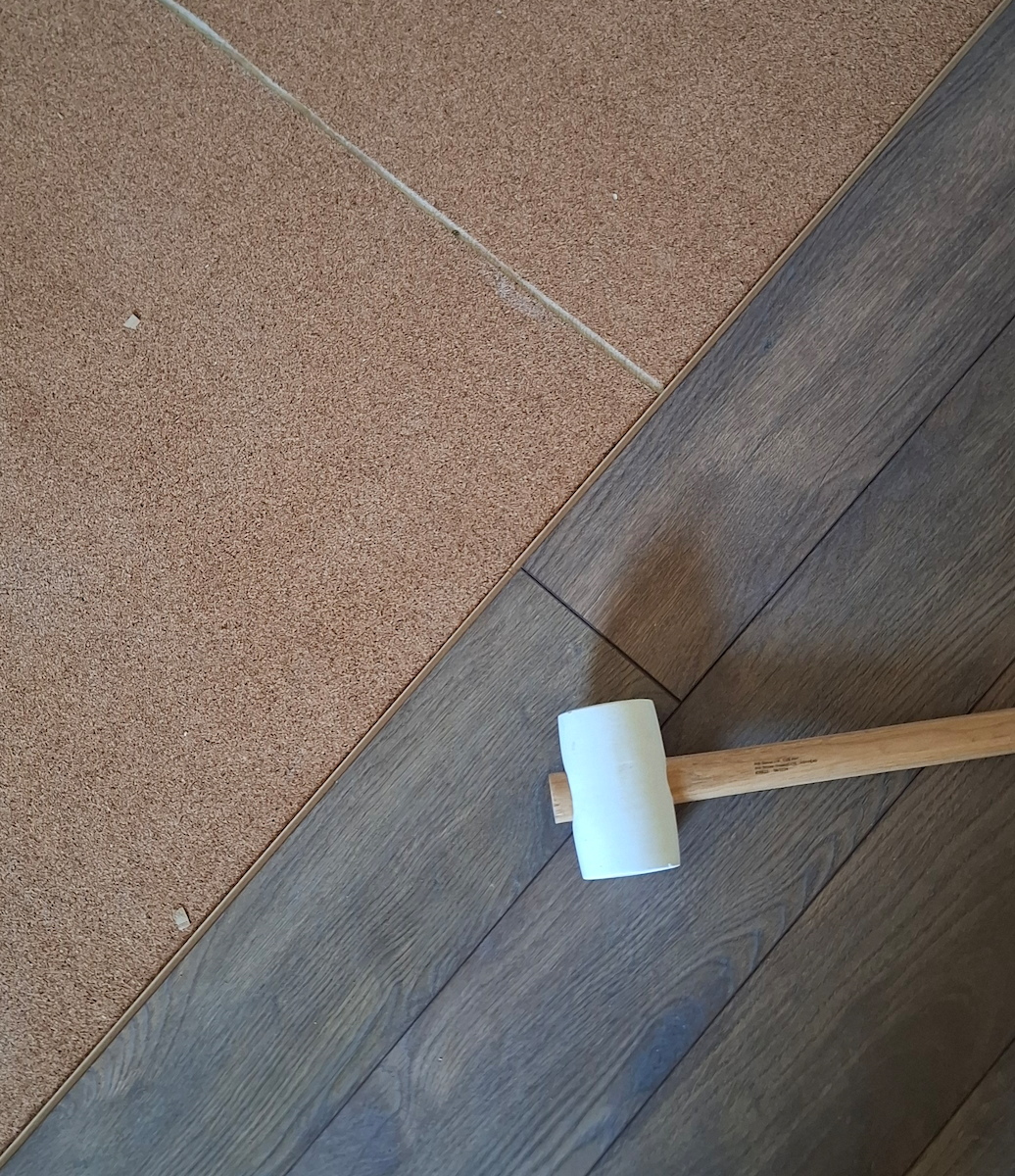
Flooring: part 4 of 4 After removing the old floor and checking the subfloor, next step was to install something we like. Choosing panels Apart from the look, the main decision criteria were low emissions and durability, roughly in that order. We ended up with two types, but with similar features.
Flooring: part 3 of 4 The floor replacement job was going slowly, but surely. With a few boards missing, I had a thought that seemed perfectly reasonable at the time: why not temporarily hook up the dishwasher? Every hour spent washing dishes by hand is an hour not spent on the actual renovation. Solid logic.
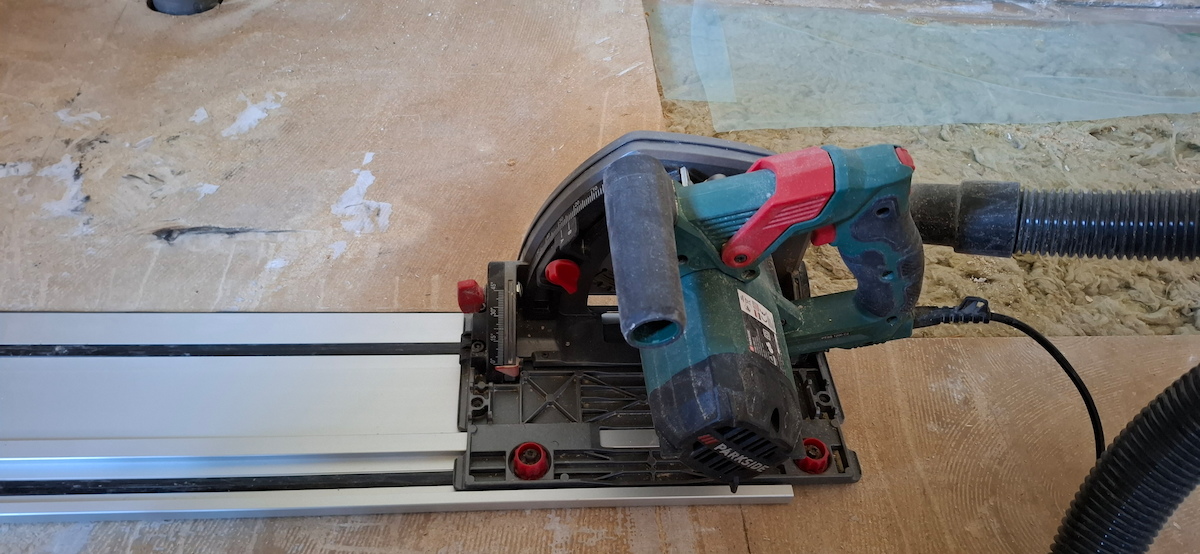
Flooring: part 2 of 4 After removing the vinyl floor, I discovered some floorboards in the kitchen needed replacing. Not many, maybe seven or eight. It seemed so basic - after all, that’s just some measuring, sawing, drilling and screwing - but in combination, it was one of the more tedious renovation tasks I’ve done. Most jobs require either precision or working with large and heavy objects, this one needed both.
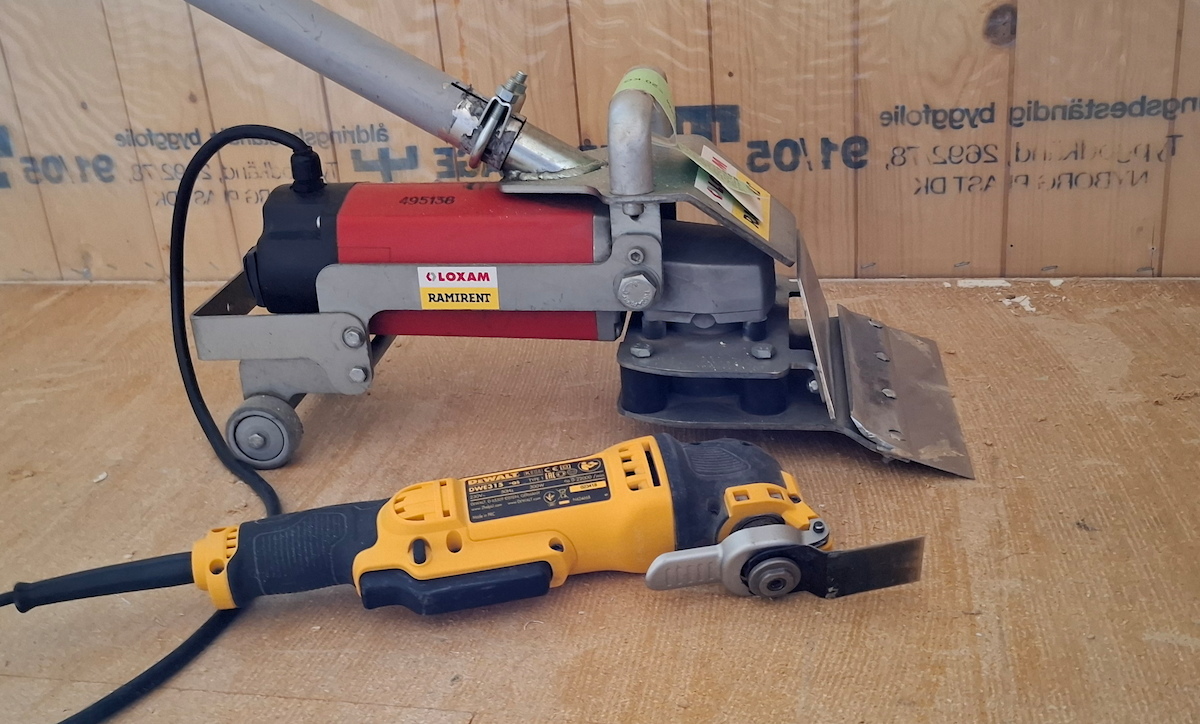
Flooring: part 1 of 4 There’s a special kind of optimism that comes with removing old floor covering. I pulled back a corner of the old vinyl, saw it peel away reasonably cleanly, and thought: I’ll be done in an hour.
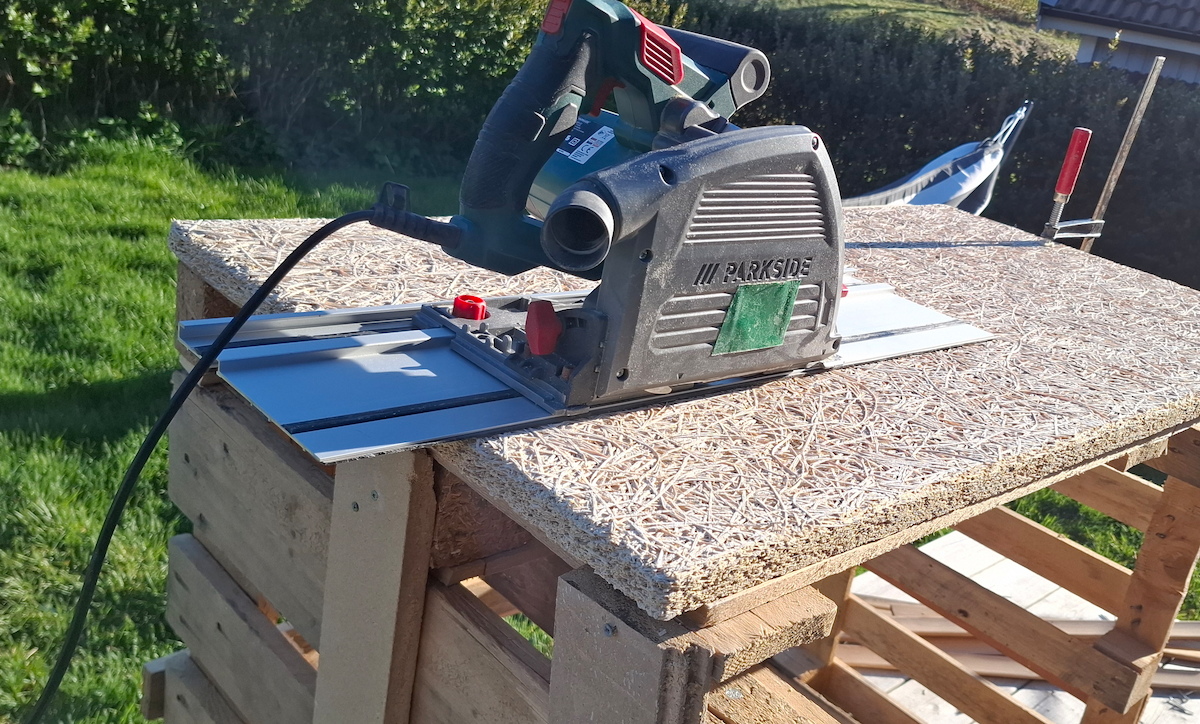
A few months ago I moved into a new place: a house in need of deep renovation. I brought tools, ordered materials, but there was no workbench. I simply needed a reasonably flat surface at a comfortable level for sawing, drilling and sanding.